
How to Reduce Spam Signups in Encharge Without Losing Good Leads
Reduce spam signups in Encharge with a source-to-list workflow, review-first cleanup rules, recurring verification, and a real-time API path. See the steps.

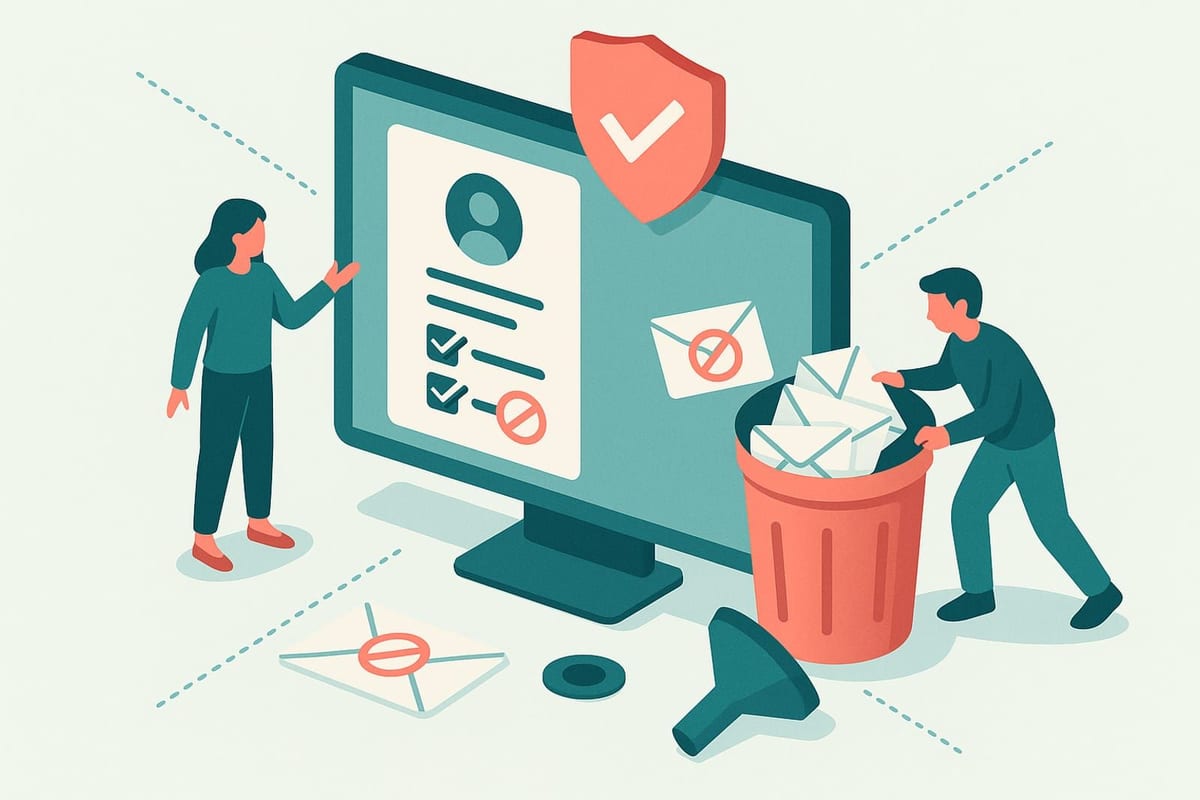
How do you reduce spam signups in Encharge?
To reduce spam signups in Encharge, route each signup source to a known Encharge list, have mailfloss watch that list, and start with review-first rules before automating cleanup. This separates questionable new contacts from engaged people. mailfloss handles recurring in-ESP verification, while its real-time API gives developers and AI agents a pre-entry verification path.
To reduce spam signups in Encharge, route each signup source to a known Encharge list, have mailfloss watch that list, and start with review-first rules before automating cleanup. This separates questionable new contacts from engaged people. mailfloss handles recurring in-ESP verification, while its real-time API gives developers and AI agents a pre-entry verification path.
Spam signups create two different problems, and treating them as one is how good leads get swept out with the rubbish. Some submissions contain an invalid or mistyped email address. Others come from automated or abusive visitors using an address that looks perfectly valid. Email verification helps with the first problem and supplies a useful signal for the second, but it does not prove that a human is trustworthy.
That distinction matters in Encharge because new contacts can feed SaaS lifecycle campaigns. A bad rule can remove an obvious invalid address, which is useful. The same rule can also remove a real person who made a fixable typo, which is rather less useful. The practical answer is to map each signup source to the Encharge list it feeds, apply a measured response to that list, and tighten automation only after the outcomes are understood.
This guide gives you that workflow. It uses the way the Encharge email verification integration actually operates: mailfloss watches selected Encharge connections and lists, each connection can have its own cleanup rules, and the cleanup controls live in the mailfloss dashboard.
What counts as a spam-signup problem in Encharge?
A spam-signup problem in Encharge is not a single status. It is a mix of address-quality failures, suspicious behavior, and workflow mistakes that all end with an unwanted or unusable contact entering a lifecycle list.
Use three buckets before deciding what to automate:
Signup outcome | What the signal tells you | Safer first response |
|---|---|---|
Invalid email result | The address should not be treated as a reliable destination | Keep for review or clean according to the rule for that Encharge connection |
Common domain typo | A real person may have mistyped the address | Correct the typo where appropriate instead of assuming the contact is disposable |
Valid-looking but suspicious signup | The mailbox signal alone cannot establish whether the visitor is a person or a bot | Combine verification with controls in the signup source and review the contact before removal |
Repeated low-quality contacts from one source | The entry path may need attention, even if some addresses pass verification | Isolate that source in a known Encharge list and inspect its results separately |
This is the page’s decision rule: address quality determines whether an email is usable; behavior and source context determine whether a signup is wanted. Neither signal should impersonate the other.
mailfloss is an email verification and automated list-cleaning tool for marketers. It connects to supported platforms such as Encharge to catch typos, reduce risky addresses, and protect list quality over time. It can manage selected Encharge contacts in the background, but it should sit beside—not masquerade as—behavioral bot protection.
How should you map signup sources to Encharge lists?
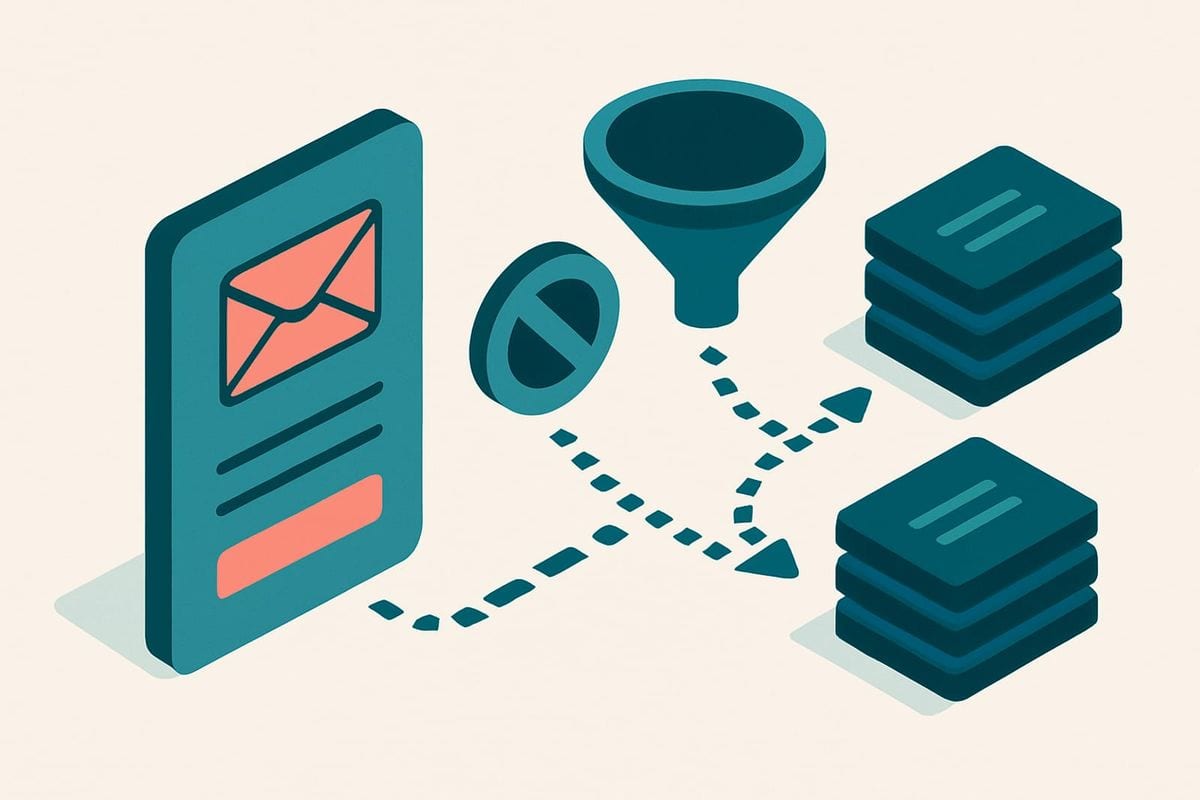
Start by drawing a small source-to-list map. The goal is to know which Encharge list receives each class of new contact before you attach an automated response.
A useful map can be as simple as this:
Signup source | Encharge destination | Risk if mixed with other contacts | Initial cleanup posture |
|---|---|---|---|
Public newsletter or lead form | Its receiving Encharge list | Automated submissions can mingle with genuine prospects | Review first, then automate only confirmed invalid outcomes |
Product or trial signup | Its receiving Encharge list | Aggressive removal can interrupt onboarding for a real user | Verify early and preserve a review path |
Partner or event import | Its receiving Encharge list | Old or mistyped addresses may be mistaken for bot submissions | Run a defined cleanup pass and inspect questionable results |
Developer-controlled signup endpoint | Its receiving Encharge list | A poor address may be written before the application can respond | Call the real-time API before creating the Encharge contact, then use recurring list cleaning afterward |
The Encharge-specific mechanic is the scope of the connection. In the mailfloss dashboard, choose which Encharge connection and list mailfloss should watch. Each connection can have its own cleanup rules. That means the list receiving public signups can begin with a cautious review rule while another list follows a different, already-approved policy.
Do not begin with one destructive rule for every Encharge contact. A source-to-list map gives you a boundary: it shows where questionable signups enter, which lifecycle contacts may be affected, and where a stricter response can be introduced without changing unrelated lists.
If several sources currently land in the same Encharge list, record that as a limitation. You can still verify the contacts, but you will have less source context when deciding whether a valid-looking address belongs to an unwanted signup. Improve the source boundary before making the cleanup rule more aggressive.
How do you configure a review-first cleanup workflow?

A review-first Encharge workflow has four steps: select the connection, select the list, choose the least destructive useful action, and graduate only the outcomes your team is comfortable automating.
1. Select the Encharge connection and receiving list

Open the mailfloss dashboard and choose the Encharge connection associated with the signup flow. Select the Encharge list that receives those contacts. The live integration supports choosing the connections and lists mailfloss watches, so the cleanup scope does not need to begin with the entire Encharge contact base.
2. Start questionable addresses in review
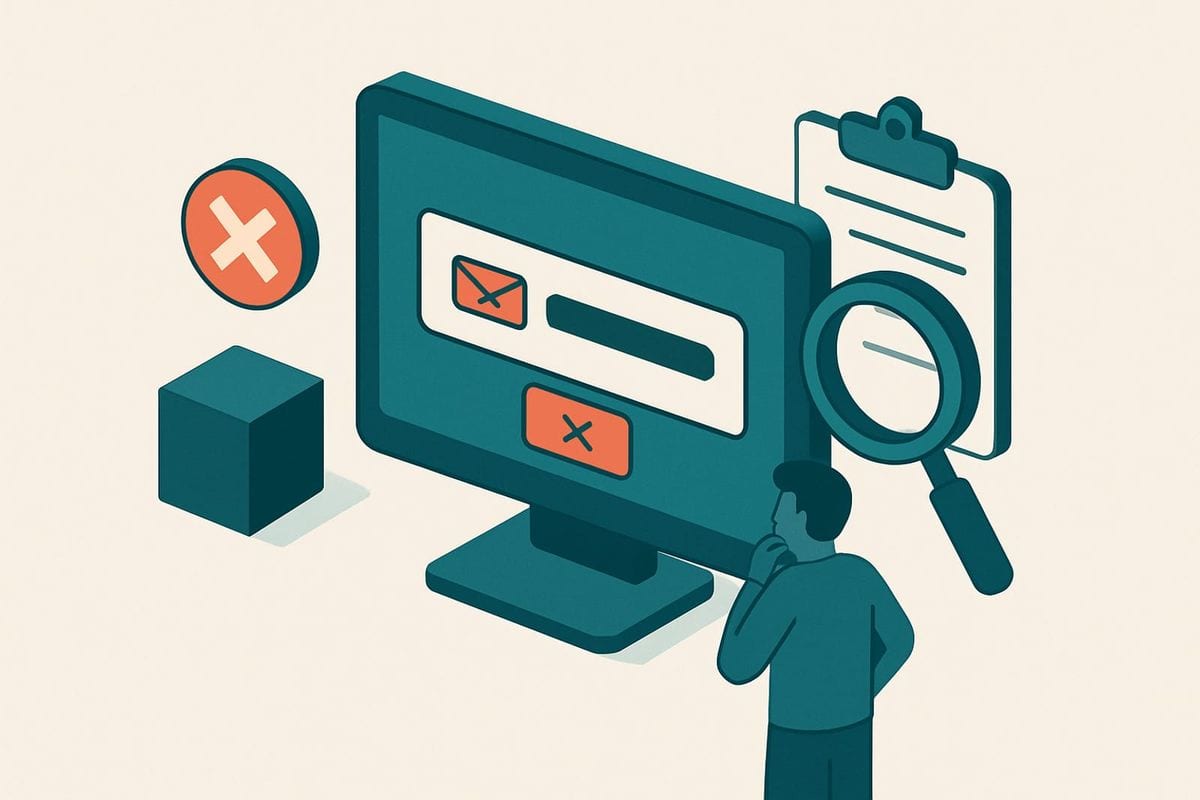
For a new or poorly understood signup source, keep questionable addresses for review first. This gives the team a chance to distinguish obvious junk from a real prospect with a fixable typo. It also creates a baseline for the specific source instead of borrowing assumptions from a different form, import, or product flow.
3. Choose the response for confirmed outcomes
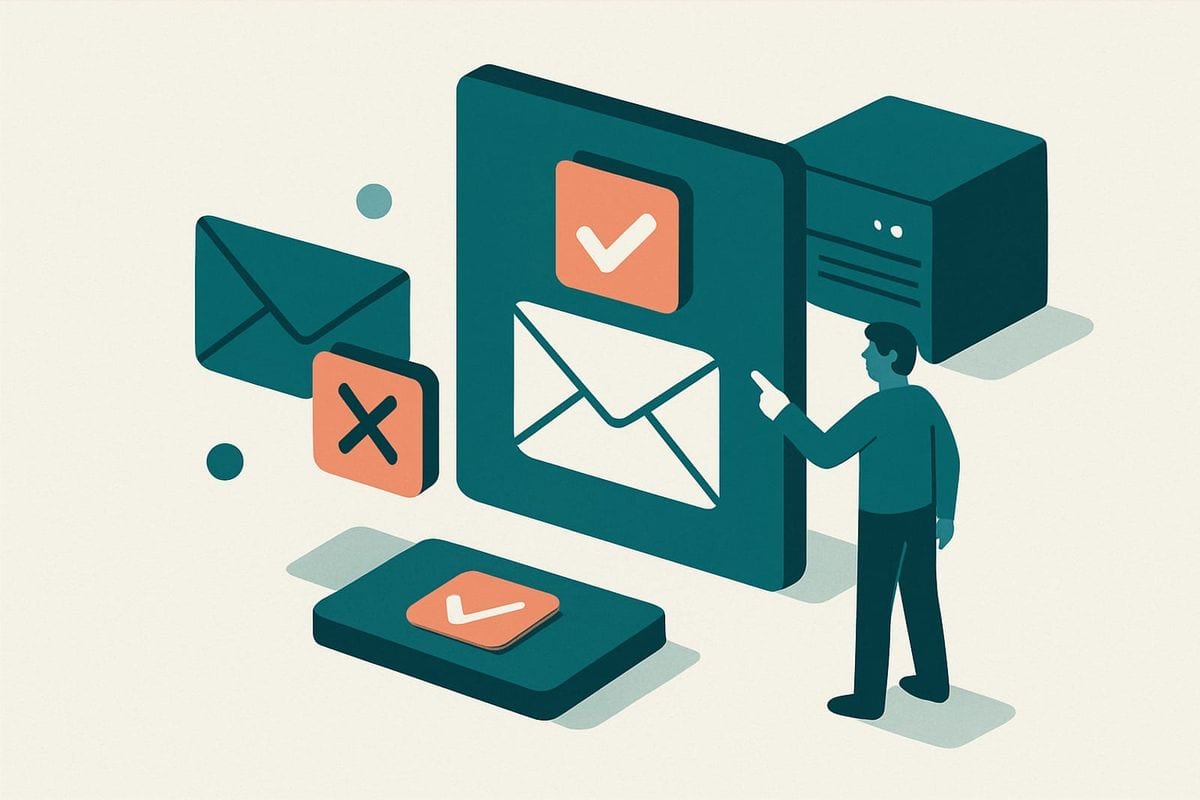
The Encharge integration supports several responses under the rules you set. mailfloss can keep addresses for review, clean them automatically, update fields, or notify another tool. Use those choices as a response ladder rather than treating automatic cleaning as the only destination.
A sensible ladder is:
- Keep an uncertain result for review.
- Fix a common typo where the correction is appropriate.
- Update a field or notify another tool when the surrounding workflow needs the result.
- Automate cleanup only for an outcome the team has reviewed and approved.
This ladder is deliberately conservative. It protects the customer who typed an address incorrectly while still giving obvious invalid results a defined path out of the active list.
4. Give each Encharge connection its own rule
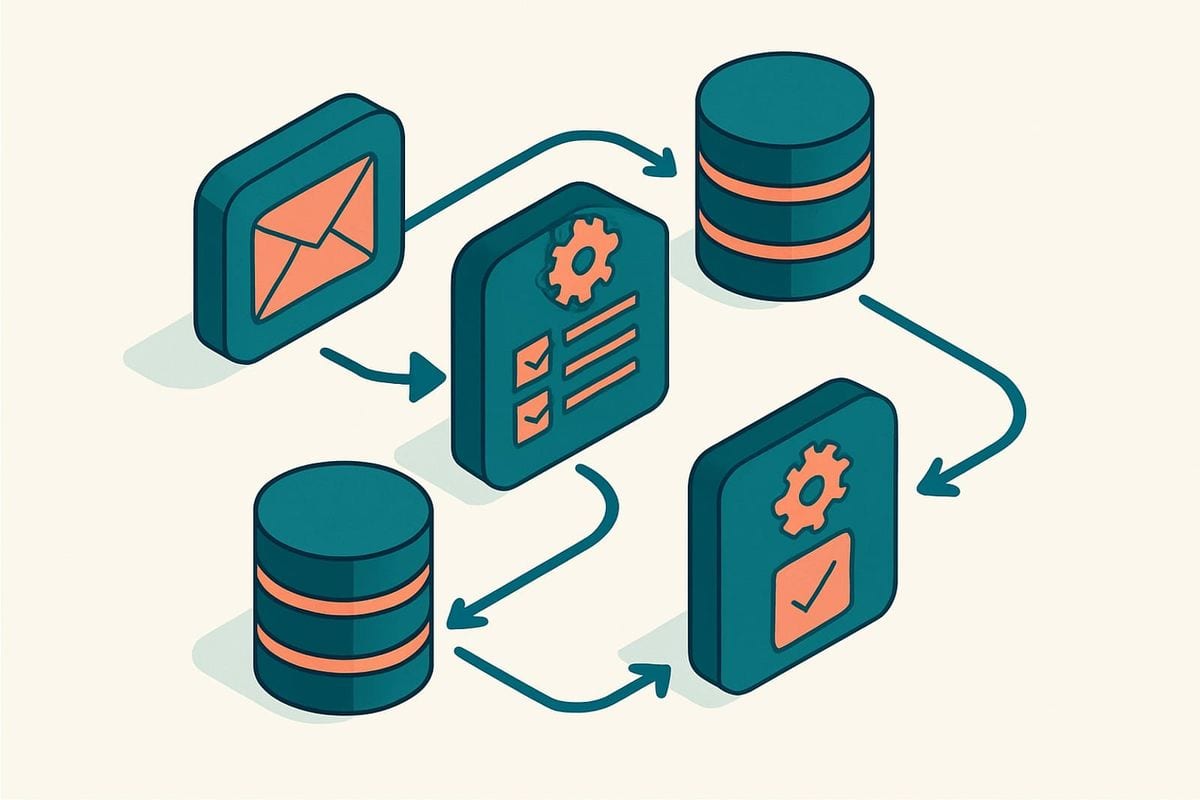
Once the outcomes from the signup list are understood, tighten that connection’s cleanup rule. Do not assume the same rule belongs on an imported-event list, a product-onboarding list, and a public lead list. The Encharge integration’s per-connection rules are useful precisely because those contact streams carry different costs when a real address is removed.
When should developers verify an address before Encharge?
Use pre-entry verification when your team controls the signup endpoint and needs an answer before it creates the Encharge contact. Developers and AI agents can call the real-time mailfloss email verification API in that controlled flow, use the result according to the application’s policy, and then write the contact to the intended Encharge list.
That API path does not replace recurring in-ESP cleaning. The two paths solve different moments in the contact lifecycle:
Path | Best-fit moment | Operational role |
|---|---|---|
Real-time mailfloss API | Before a developer-controlled flow creates the Encharge contact | Gives the application an email-verification result at the entry boundary |
mailfloss Encharge connection | After contacts arrive in selected Encharge lists | Manages recurring verification and list-cleaning actions in the background |
Use both when the signup flow is under your control and the list continues changing afterward. The API checks the entry moment; the Encharge connection watches the selected list over time. This is why mailfloss should not be described as a no-dev-only product or as a one-time CSV verifier. It supports automated Encharge cleaning and a first-class real-time API for product teams, developers, and AI agents.
For forms or sources your developers do not control, use the Encharge-list path. Identify the receiving list, attach the appropriate mailfloss connection, and begin with review-first rules. That still gives the workflow a concrete boundary without pretending you can insert an API call into an entry point you do not own.
What should email verification not be asked to decide?

Email verification should not be asked to decide whether a signup is morally good, commercially valuable, or operated by a human. It evaluates email quality signals; it does not observe every behavior surrounding the submission.
That creates two important limits:
- A valid-looking address is not proof that the signup is wanted. Keep behavioral abuse controls at the signup source.
- An invalid or mistyped address is not proof that the person is malicious. A real lead can make a typo.
The practical defense is layered. Use source-side controls for rapid repeats or other suspicious behavior. Use mailfloss to verify addresses, fix common typos, and manage risky contacts in the selected Encharge list. Use review when the result is ambiguous. If another system needs the outcome, configure the workflow to update fields or notify that tool rather than forcing every decision into deletion.
This layered model also protects Encharge lifecycle campaigns. Removing unusable destinations can help reduce bounces, but inbox placement is never guaranteed by a cleanup tool. The aim is narrower and more defensible: reduce risky addresses, avoid needless loss of fixable contacts, and keep list-quality work from becoming a recurring manual export job.
How do you know when to automate more of the workflow?
Automate more only when the source, destination, and response are all clear. Before changing a review rule to automatic cleanup, answer four questions:
- Which signup source created these contacts?
- Which Encharge connection and list receive them?
- Which result is safe to act on without human review?
- What happens next: review, cleanup, field update, or notification?
If any answer is unknown, the workflow is not ready for a more destructive rule. Keep the review step and improve the source-to-list map first.
If all four answers are stable, automate the narrow outcome—not every vaguely suspicious contact. That approach turns list hygiene into a controlled system. mailfloss can keep managing Encharge contacts in the background, while your team retains a deliberate policy for what gets cleaned and why.
After the initial signup check, list quality still changes. Decay Protection provides the relevant next layer for protecting quality over time. The objective is recurring hygiene around Encharge, not a one-time purge followed by another long period of neglect.
Encharge spam-signup cleanup checklist

Use this checklist before enabling automatic cleanup for a signup list:
- Name every signup source that feeds the Encharge list.
- Confirm the Encharge connection and receiving list in mailfloss.
- Keep uncertain results for review during the first pass.
- Preserve a path for common typo correction.
- Decide whether another tool needs a notification or field update.
- Keep bot-behavior controls at the signup source.
- Use the real-time API when developers or AI agents control the entry flow.
- Automate only the specific outcomes the team has approved.
- Revisit the connection rule when the signup source or list structure changes.
The list is intentionally short. The important move is not adding more tools; it is giving each signal one job and each Encharge contact stream a known boundary.
For the rest of your stack, see the best Encharge integrations by workflow.
Frequently asked questions
Does mailfloss stop bots before they submit an Encharge signup?
mailfloss verifies email quality; it is not a behavioral bot detector or CAPTCHA. Connect it to the Encharge list receiving new contacts for recurring cleanup. If developers or AI agents control the signup flow, they can use the real-time mailfloss API before adding the contact to Encharge.
Can I limit cleaning to the Encharge list that receives signups?
Yes. Choose the Encharge connection and list mailfloss should watch, then give that connection its own cleanup rules. This lets you start with the list receiving new signups instead of applying one response to every Encharge contact.
What can happen when a signup address is invalid?
You choose the response. mailfloss can keep the address for review, clean it automatically, update fields, or notify another tool according to the rules set for the Encharge connection. A review-first rule is the safer starting point when valid leads and suspicious signups share a list.
Should every suspicious Encharge signup be deleted?
No. A syntactically valid address can still belong to a bot, while a mistyped address can belong to a real person. Start by reviewing questionable contacts, fix common typos where appropriate, and automate removal only for outcomes your team has decided are safe to clean.
Will the cleanup controls appear inside Encharge?
No. mailfloss runs from the mailfloss dashboard and manages the selected Encharge contacts in the background. You control the cleanup settings in mailfloss while Encharge remains the system holding the contacts and lifecycle campaigns.
Can developers verify an address before adding it to Encharge?
Yes. Developers and AI agents can call the real-time mailfloss email verification API in a controlled signup flow before creating the Encharge contact. Teams can also connect mailfloss to selected Encharge lists for recurring background cleaning after contacts arrive.
We write from the practical side of email list cleaning: what helps marketers keep real subscribers, reduce bounces, and avoid turning hygiene into another recurring chore.